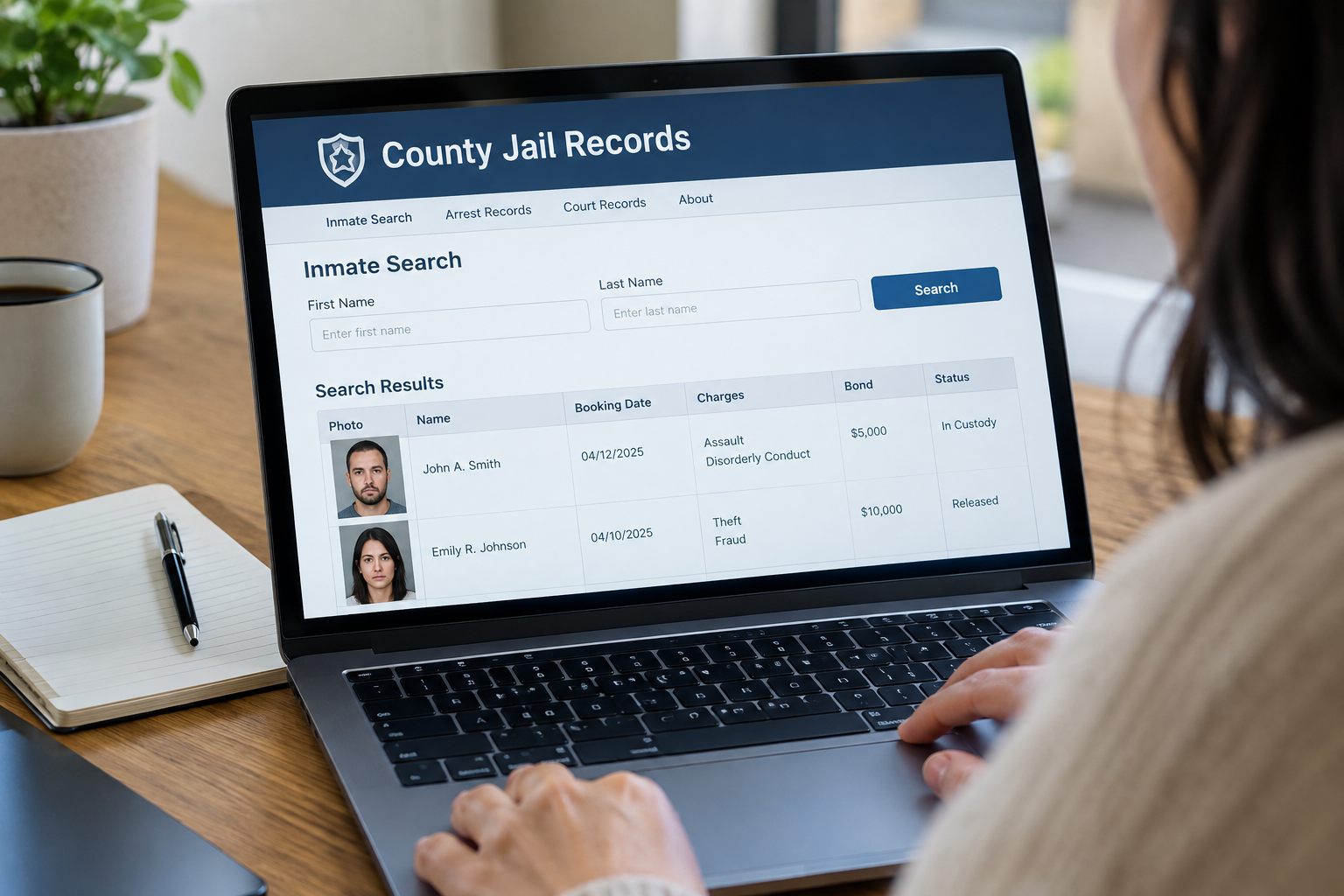
When a family member or friend may have been taken into custody, finding accurate information quickly can be difficult. People often want to know whether someone has been booked, where they are being held, what charges are listed, and whether bond or a court date has been established. County jail records can provide some of these answers, but understanding what the information means is just as important as finding it.
In Tulsa County, custody information can be searched through the local booking system. A person looking for someone in detention may begin with a Tulsa county inmate search and then use available court records to learn more about the case. Knowing how these records work can help people avoid confusion and rely on information that is more relevant to the situation.
Start With Current Booking Information
County booking records are designed to provide basic information about people who have been taken into custody. Depending on the jurisdiction, a record may show a person’s name, booking information, listed charges, bond details, and other custody-related information.
When searching for someone, entering the correct first and last name is important. Common names can produce multiple results, so other identifying information should be compared whenever it is available. A booking record should also be checked for its date and current status because custody information can change.
In Tulsa County, booking information can help establish whether a person is currently listed in custody and may provide details about the reason for detention and bond when those details have been entered. However, the record should be viewed as an administrative snapshot rather than a complete explanation of the underlying legal matter.
Understand What an Arrest Record Means
Finding a person’s name in a jail database does not establish that the person committed an offense. An arrest or booking records a law-enforcement action and may identify allegations or charges, but the eventual outcome of a criminal case is determined through the legal process.
This distinction is especially important when information is shared with relatives, employers, or other people. Charges listed in a booking record may represent allegations that have not been resolved in court.
People should also avoid drawing conclusions from a single entry. Charges can change as a case progresses, and records may be updated after additional proceedings. Reviewing the most recent information can reduce the risk of relying on outdated details.
Check Court Records for Additional Details
Jail records and court records provide different types of information. A jail database primarily concerns custody, while a court record can contain information about the formal case and its procedural history.
If a booking record provides a court date or case information, checking the appropriate court system can provide additional context. Court records may contain filings, scheduled appearances, case numbers, and other information that is not included in a jail booking entry.
This step is useful because a person’s custody status can change while the related court case continues. Someone may be released while still facing pending proceedings, or a court event may occur after the initial booking. Keeping custody information and court information separate makes it easier to understand what each record actually shows.
Pay Attention to Bond and Release Information
Bond information can be another important part of a booking record. When a bond amount appears, it may indicate the financial condition associated with potential release, but it does not necessarily provide every detail about the person’s release status.
Additional conditions, court orders, holds, or procedural requirements can affect what happens after booking. Bond information can also change as a case moves through the court system.
For that reason, people should avoid assuming that seeing a dollar amount means a person can immediately leave custody. The relevant detention authority or court may provide more current information about release procedures and conditions.
Verify Information Before Taking Action
Online records are useful, but they should be approached carefully. Third-party websites may display information gathered from public sources, and some databases may not update at the same time as official systems.
When the information matters to an active legal matter, checking the most current available source is important. Names, dates, charges, and case numbers should be compared to reduce the possibility of confusing two people with similar identifying information.
It is also important to remember that online records may not answer every legal question. A booking entry can show that someone was detained and may provide basic case information, but it cannot explain every right, deadline, defense, or procedural issue involved in a criminal proceeding.
Conclusion
County jail records can provide an important first look at a person’s custody status after an arrest or booking. They may help confirm whether someone is being held, identify listed charges, and provide information about bond or court dates. However, these records should be understood within their proper limits.
For a fuller picture, custody information can be considered alongside official court records and other current sources. Checking dates, names, case numbers, and updated status can help prevent mistakes when a case is still developing.
Most importantly, an arrest record should not be treated as a final determination of guilt. Criminal cases develop through a formal legal process, and public databases rarely contain every relevant detail. Careful verification and a clear understanding of what each record represents allow people to respond to a detention with accurate information rather than assumptions.